


Animal Welfare Policy
My Commitment
Marie Rowe Travel is committed to responsible tourism and to protecting animals affected by the travel industry. As animal encounters have become increasingly popular within holiday experiences, it’s more important than ever to recognise that some activities cause significant harm. Practices such as elephant riding and bathing, photo opportunities with big cats, or watching animals perform often involve cruelty, confinement and long-term suffering.
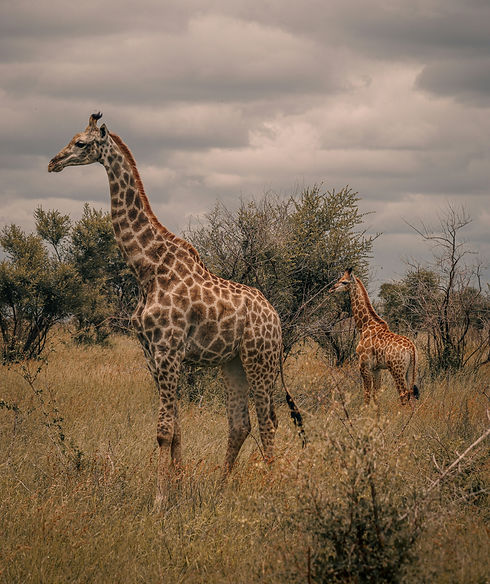
I believe animals should be respected for their intrinsic value. The most ethical way to experience wildlife while travelling is to observe animals in their natural habitats, behaving as they would without human interference.

Welfare Standards
When animals are under human care, whether domesticated or wild, they must be provided with what is widely recognised as a good life. This means not only meeting physical needs, but also supporting mental wellbeing, enabling choice and allowing animals to express natural behaviours.
I only work with suppliers whose practices align with the Five Domains of Animal Welfare, ensuring the highest possible standards of care.

The Five Domains of Animal Welfare
Nutrition
Animals must have access to sufficient, balanced, varied and clean food and water appropriate to their species and individual needs.
Environment
Conditions must support comfort through appropriate space, temperature, substrate, air quality, light, noise control and predictability.
Health
Animals should be free from disease, injury and impairment, supported by preventative care and appropriate veterinary treatment.
Behaviour
Animals must be able to express natural behaviours, including exploration, foraging, bonding, play and retreat, within an enriching environment.
Mental State
Positive experiences across the previous four domains should support good mental wellbeing, encouraging comfort, vitality and security while minimising fear, stress, pain or boredom.
Wild Animals in Captivity
I recognise that the needs of wild animals can never be fully met in captivity. Where wild animals are kept under human care, facilities must not only provide the best possible welfare conditions, but also actively support a shift away from exploitative practices and contribute towards the phasing out of keeping wild animals for commercial gain.


What I do not support
I do not sell or promote venues or activities that involve close interaction with wild animals, including touching, riding or bathing, such as elephant riding, swimming with dolphins or walking with lions. I do not support watching wild animals perform in shows or staged environments, including circuses, dolphin displays or other forms of forced entertainment, nor do I endorse photo opportunities with wild animals such as big cats, primates or captive wildlife selfies. I also do not promote activities where animals are made to fight, race or take part in sports or cultural events that cause suffering, including bullfighting, rodeos, crocodile wrestling or elephant polo. In addition, I avoid facilities where wild animals are bred or kept for commercial products, such as crocodile farms, civet coffee farms, bear bile farms or turtle farms, and I do not support trophy hunting, canned hunting or sport fishing.
What I do support
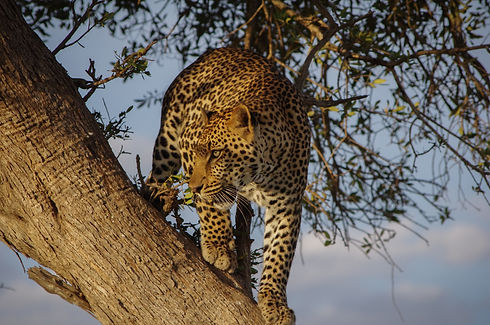
Where experiences align with the principles of this policy, I may recommend genuine animal sanctuaries, rescue centres and rehabilitation facilities that prioritise animal welfare and do not breed, trade or exploit animals. This includes organisations certified by recognised welfare bodies or those that follow internationally accepted animal-friendly guidelines. I also support responsible wildlife watching in natural habitats, where animals are observed from an appropriate distance without interrupting their natural behaviours or daily routines. In some cases, I may recommend zoos or aquariums that are accredited by recognised international or national bodies, provided they do not keep cetaceans in captivity, do not allow direct contact with wild animals and do not use animals in performances.

In Practise
This policy guides both the holidays I design and the choices I make as a traveller myself. It ensures that wildlife encounters are respectful, ethical and aligned with long-term conservation rather than short-term entertainment.