


Expedition Cruising
Small-ship journeys designed for deeper, more meaningful exploration.
Expedition cruising has moved well beyond its polar origins.
What was once the domain of hardened adventurers has evolved into one of the most thoughtful and immersive ways to explore the world.
Smaller ships, fewer people, and far greater access define the experience. The focus is not on the vessel itself, but on what it allows you to reach, and how deeply you are able to engage once you get there.
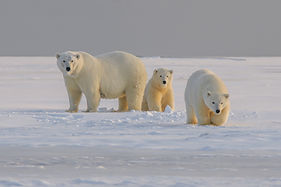
What is Expedition Cruising?
At its core, expedition cruising is not about travelling in comfort from one port to the next. It is about purposeful exploration, shaped by curiosity and guided by expertise.
In simple terms, it is a journey by water that blends exploration, learning, and responsible access to remote or culturally rich destinations, led by specialist expedition teams.
Rather than being a passive passenger, you become part of a small group of travellers who are there to experience a place properly, not just pass through it.


What Makes it Different?
The difference is apparent almost immediately. Expedition ships are deliberately smaller, allowing access to places that larger vessels cannot reach. This changes the rhythm of travel entirely, creating space for a more considered and personal experience.
Days are shaped by exploration rather than schedules. You might step ashore in remote locations, travel by zodiac into landscapes that feel untouched, or spend time with experts who bring context to everything you are seeing. There is a sense of flexibility that traditional cruising rarely offers, with itineraries often adapting to conditions, wildlife sightings, or unexpected opportunities.
The result is a style of travel that feels less like a series of stops and more like a continuous, unfolding experience.
The Evolution of Expedition Cruising
Expedition travel has changed considerably over the past decade. It was once closely associated with polar regions and wildlife encounters, but it now encompasses a far broader range of destinations and experiences.
Today, expedition itineraries extend into tropical ecosystems, culturally rich coastlines, and biodiversity hotspots across the world. At the same time, there has been a natural overlap with luxury travel, although the emphasis remains on depth and meaning rather than excess.
The sector has evolved from a niche adventure category into a more structured and widely recognised form of experiential travel.
What defines it now is not simply where you go, but how you engage with the places you visit.


Ship Types & Sizes
While expedition vessels vary in style, they are united by a shared principle: access matters more than scale.
Ships range from purpose-built polar vessels to boutique yachts and hybrid exploration ships designed for both comfort and capability. What they have in common is their size. Most carry fewer than 200 guests, although definitions can extend up to around 500 passengers depending on the operator.
In practical terms, smaller ships allow for more frequent landings, easier access to remote areas, and a far more intimate onboard atmosphere. They also enable flexibility, which is essential when travelling in environments where conditions can shift quickly.
Styles of Expedition Cruising
Expedition cruising is not a single, fixed experience. It spans a range of styles, each shaped by destination and intent.
Some journeys remain rooted in classic expedition travel, where the focus is on remote landscapes and wildlife encounters, often in polar regions. Others take a more cultural approach, placing emphasis on people, history, and local connection through smaller ports and more thoughtful interaction.
There is also a growing presence of luxury expedition cruising, where the depth of experience is paired with a higher level of comfort, without losing the essence of exploration. Alongside this, more active itineraries appeal to those who prefer a hands-on approach, incorporating activities such as kayaking, hiking, or snorkelling as part of the journey.
In reality, many itineraries blend these elements, creating something that feels both varied and cohesive.


Where You Can Go
Expedition cruising now reaches far beyond Antarctica, offering a diverse range of destinations across the globe.
Antarctica remains one of the most compelling regions, defined by vast ice landscapes, extraordinary wildlife, and a sense of true remoteness. The Arctic offers a different kind of experience, with its own mix of wildlife, dramatic scenery, and cultural encounters in places such as Greenland and Svalbard.
Closer to home, parts of Europe can be explored in a completely different way through expedition cruising. Remote coastlines, lesser-visited islands, and regions beyond the usual cruise routes reveal a quieter, more nuanced side of familiar destinations.
Across the Americas, expedition journeys take in the Galápagos Islands, the Amazon River, Patagonia, and Baja California, where wildlife and cultural experiences often intersect. Meanwhile, Oceania and parts of Asia offer some of the least explored yet most rewarding itineraries, from Indonesia’s remote islands to the Kimberley coast and Japan’s lesser-visited shores.
What You Actually Do
A typical day on an expedition cruise rarely follows a predictable pattern.
You might begin with a zodiac landing at first light, stepping into a landscape that feels completely removed from everyday life. Later, you could find yourself walking through rainforest with a local guide, or listening to an onboard expert explain the significance of what you have just seen.
There are moments of activity and moments of stillness. Sometimes, the most memorable part of the day is simply pausing long enough to take it all in.


Responsible Travel
Expedition cruising is not without impact, but it is a sector that is actively evolving with responsibility in mind.
Operators increasingly focus on limiting passenger numbers, working closely with local communities, and following strict environmental guidelines. There is also a strong emphasis on education, helping travellers understand the places they visit rather than simply observe them.
As the whitepaper suggests, the goal is not just access, but responsible access, ensuring that exploration is balanced with care for both environment and community.
When approached thoughtfully, expedition travel can support conservation and cultural preservation rather than detract from it.
Is Expedition Cruising For You?
This style of travel tends to appeal to those who value experience over excess and depth over convenience.
It suits travellers who are curious about the world, who prefer fewer people and more space, and who want to return home with a greater understanding of where they have been. It is less suited to those seeking rigid structure or predictability, as flexibility is part of the experience.
For the right traveller, however, it offers something that is increasingly difficult to find elsewhere: a genuine sense of discovery.


How I Help
Expedition cruising is not something to choose casually. The differences between ships, operators, and itineraries are significant, and the detail matters.
I work closely with a select number of expedition partners, including AE Expeditions, Lindblad National Geographic Expeditions, Quark Expeditions, Polar Latitudes, Ponant, and HX Expeditions, to match each client with the right combination of ship, destination, and experience. This ensures that every element, from timing to level of activity, is aligned with what you are looking for.
Additionally, as a member of the Expedition Cruise Network, I have access to all the latest expedition cruise news, updates, and offers.
The aim is to make the process feel considered from the outset, rather than leaving key decisions to chance.
