Expedition Cruising: More Than Just the Poles

Updated: Apr 28
From remote islands to cultural coastlines, a different way to explore the world
Expedition cruising is often associated with one image: a ship pushing through ice in Antarctica, surrounded by glaciers and wildlife.
Over the past decade, expedition cruising has evolved into one of the most interesting ways to explore the world. Smaller ships, expert guides and carefully designed itineraries now open up destinations that traditional cruising simply cannot reach. And while the polar regions remain extraordinary, they are only part of the story.
Today, expedition cruising might take you through the fjords of Norway, along the coastlines of Japan, into the Galápagos Islands, or deep into the cultural heart of regions that are difficult to access by land.
It is less about cruising in the traditional sense, and more about how you experience a destination.
What Defines an Expedition Cruise?
At its core, expedition cruising is about exploration.
Ships are smaller, typically carrying between 100 and 500 guests, which allows access to remote coastlines, narrow waterways and lesser-visited regions. Days are shaped by the destination rather than a fixed schedule. Landings are often made by Zodiac, bringing you directly onto beaches, into wildlife habitats or alongside small communities.
Onboard, the experience is guided by specialists. Naturalists, historians, marine biologists and cultural experts provide context that transforms what you are seeing into something more meaningful.
This is what sets expedition cruising apart. It is not simply about where you go, but how you understand it.
Beyond Antarctica: The Expanding World of Expedition Cruising
While Antarctica and the Arctic remain defining experiences, expedition cruising now spans a far wider range of destinations.
The Arctic and Antarctica
The polar regions remain some of the most compelling expedition destinations.
In Antarctica, travellers encounter vast ice landscapes, penguin colonies and whales, often with the opportunity to step ashore in places few people will ever visit.
In the Arctic, journeys through Svalbard and Greenland offer a different perspective. Here, the focus is on polar bears, dramatic fjords and the changing light of the high north.
These are true expedition environments, shaped by weather, ice conditions and wildlife movements.
The Galápagos and Latin America
Few places illustrate the purpose of expedition cruising better than the Galápagos Islands.
Here, the focus is entirely on wildlife and conservation. Guided walks, snorkelling and close encounters with species found nowhere else in the world create an experience that feels immersive rather than observational.
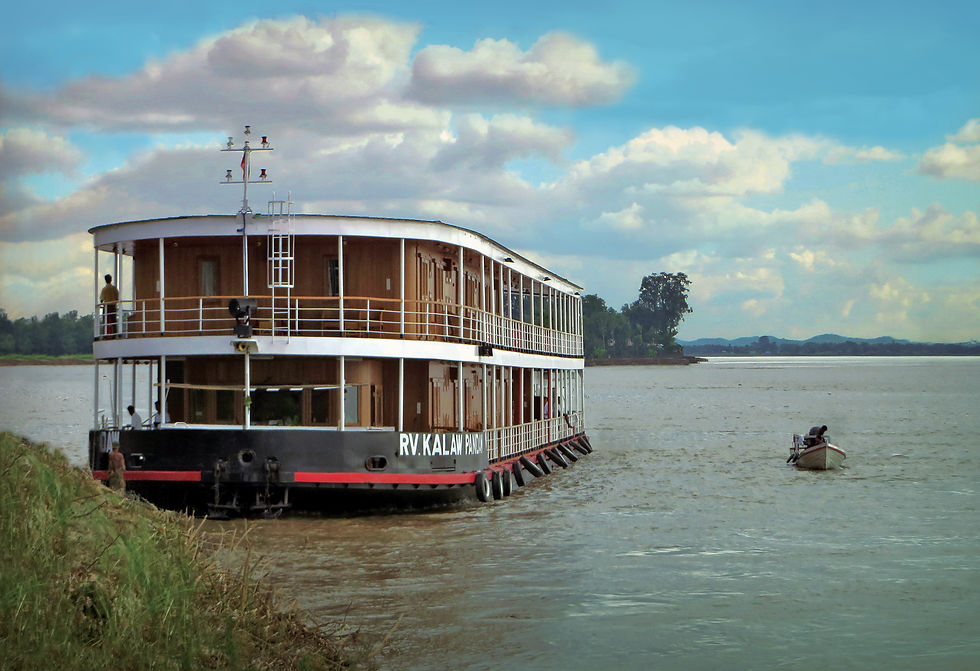
Further south, expedition voyages explore the fjords of Chile and Patagonia, while river expeditions along the Amazon offer access to remote rainforest communities and ecosystems.
Europe and Cultural Expedition Voyages
One of the most interesting developments in expedition cruising is its move into more culturally focused itineraries.
Along the coastlines of Norway, Scotland and Iceland, smaller ships can reach remote communities, lesser-visited islands and dramatic natural landscapes that larger vessels bypass.
In the Mediterranean, expedition-style voyages now explore quieter corners of countries such as Greece, Croatia and Italy, focusing on local culture, food and history rather than busy ports.
These journeys tend to feel slower, more considered, and far more connected to the places you are visiting.
Asia and the Pacific
Asia and the Pacific offer some of the most varied expedition itineraries.
Japan’s lesser-visited coastal regions reveal traditional fishing villages, historic towns and seasonal landscapes that change dramatically throughout the year.
In Indonesia, voyages through the Komodo Islands combine wildlife, marine life and remote island exploration.
Further afield, destinations such as Papua New Guinea and the Kimberley coast of Australia offer a blend of cultural encounters and striking natural scenery that is difficult to access by any other means.
Different Styles of Expedition Cruising
Not all expedition cruises feel the same. Choosing the right style makes a significant difference to the overall experience.
Wildlife-Focused Expeditions
Often found in destinations such as Antarctica, the Arctic, the Galápagos and parts of Africa, these voyages prioritise nature, conservation and expert-led exploration.
Cultural Expeditions
These itineraries place greater emphasis on people, history and traditions. Examples include coastal Japan, the Mediterranean and parts of Southeast Asia.
Hybrid Journeys
Many expeditions combine both elements. A journey might include wildlife encounters alongside visits to remote communities or historic sites.
The Ships: Small, Considered and Purpose-Built
Expedition ships are designed differently from traditional cruise ships.
They are smaller, more agile and built for access rather than scale. Many feature reinforced hulls for polar travel, fleets of Zodiac landing craft and observation decks designed for wildlife viewing.
The atmosphere onboard is relaxed and informal. Even at a high level of comfort, the focus remains on the destination rather than the ship itself.
Why Expedition Cruising Appeals to Modern Travellers
Expedition cruising reflects a broader shift in how people want to travel.
There is less interest in ticking off destinations, and more focus on understanding them properly.
Travellers are looking for experiences that feel meaningful, whether that is seeing wildlife in its natural habitat, learning from local communities or exploring landscapes that feel genuinely remote.
It offers access, context and a sense of discovery that is increasingly difficult to find in more conventional forms of travel.
Planning an Expedition Cruise
Expedition cruising is not a one-size-fits-all experience.
The right choice depends on what you are hoping to experience. For some, that may be Antarctica or the Arctic. For others, it might be a cultural voyage through Japan or a wildlife-focused journey in the Galápagos.
Timing is also important. Wildlife migrations, seasonal conditions and climate all influence when a destination is at its best.
Choosing the right operator, itinerary and style of ship makes a significant difference, which is why these journeys benefit from careful planning.
Combining Expedition Cruising with Tailor-Made Travel
One of the most rewarding ways to experience an expedition cruise is to treat it as part of a wider journey rather than a standalone trip.
Many of the world’s most compelling expedition destinations naturally lend themselves to a broader itinerary. A voyage through the Galápagos Islands might follow time in mainland Ecuador or Peru. An expedition along the coast of Japan can be combined with time in Tokyo and Kyoto. In southern Africa, a cruise exploring remote coastlines can sit alongside a safari or time in Cape Town.
This is where careful planning makes a real difference.
Rather than simply joining a cruise, it becomes possible to shape a journey that flows naturally from one experience to the next. Time to adjust to a destination, explore at your own pace, and then continue into an expedition that takes you further into places that are otherwise difficult to reach.
Over the years, I have found that this combination often creates a far more complete travel experience. The land-based elements provide context and depth, while the expedition cruise adds access and perspective.
If you are considering an expedition cruise, I would be very happy to help design a wider itinerary around it, ensuring that every part of the journey feels connected and thoughtfully planned.
A Different Way to Explore
From polar landscapes to remote islands and cultural coastlines, expedition cruising offers a way of travelling that feels immersive, considered and adventurous.
If you are interested in exploring expedition cruising in more detail, I would be very happy to help you find the journey that fits your interests.
Get in touch via the email link below for more information and to start researching the right expedition cruise for you. My personal service includes expert knowledge & advice with 100% financial protection at no extra cost.
Every holiday booked through me contributes to my partner charity TreeSisters, giving you peace of mind knowing that your travel experience will help fund new projects to ethically restore the rainforest and the planet through community-led projects that improve socioeconomic outcomes with women and community at their core.